
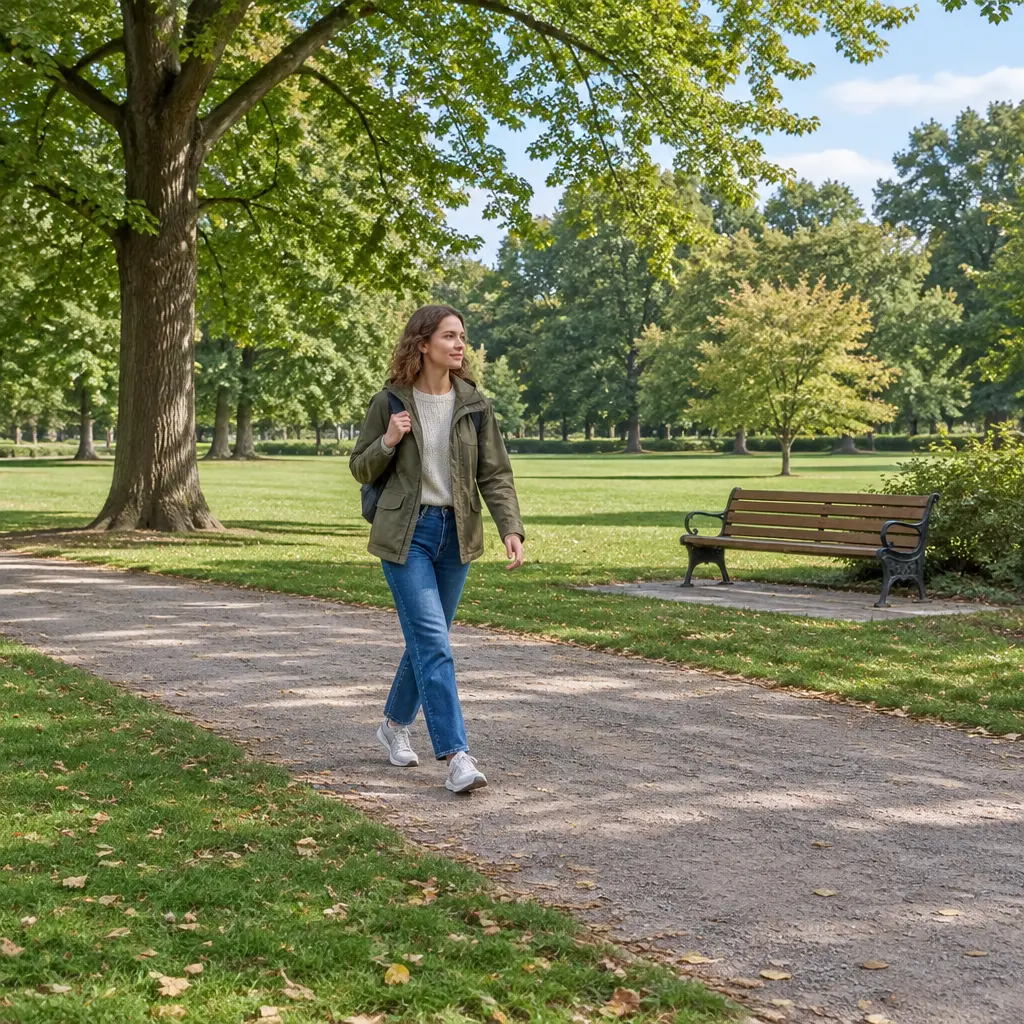
Outdoor leisure parks are places where people spend free time in open-air settings through recreation, nature experiences, events, and social activities. They appeal to adults as well as children because they combine movement, relaxation, connection, and choice: visitors can hike, cycle, picnic, watch wildlife, attend a concert, or simply enjoy time outdoors. The appeal has practical backing: the U.S. Centers for Disease Control and Prevention recommends that adults get at least 150 minutes of moderate-intensity physical activity each week, while the National Recreation and Park Association reports that access to nearby parks is a high priority for many residents. Diverse facilities, adult-oriented programming, and accessible design help parks serve people across ages and interests.
Outdoor leisure parks offer adults health, restoration, and recreation
An outdoor leisure park is a managed or publicly accessible outdoor space designed for recreation, relaxation, nature appreciation, or community use. The National Recreation and Park Association (NRPA) describes parks and recreation as systems of places and services that support health, well-being, and community life. The category includes urban parks, nature parks, waterfronts, trails, botanical gardens, and destination recreation parks. Their adult appeal comes from serving needs that remain important throughout life: physical activity, stress relief, social connection, and meaningful leisure.
Physical activity and active recreation
Active recreation means leisure activity that involves bodily movement, ranging from gentle walking to vigorous sport. Parks make this activity inviting by offering trails, open lawns, cycling routes, courts, fitness areas, and water-based recreation. The CDC’s adult physical-activity guideline is at least 150 minutes of moderate-intensity activity weekly, plus muscle-strengthening activity on two days. A park visit can contribute to that total without requiring a gym membership or a formal class; a brisk walk, a bike ride, or a game of tennis can all count, depending on intensity.
The design of a park affects whether adults can use it regularly. Connected paths, clear wayfinding, seating, shade, toilets, and safe crossings make it easier to fit activity into everyday routines. Rather than treating exercise as a separate obligation, a well-equipped park lets visitors combine movement with conversation, fresh air, and time outdoors.
Stress relief and contact with nature
Restorative recreation is leisure that helps people recover attention and reduce everyday strain. Natural scenery, water, trees, and quieter paths can provide a contrast to traffic, screens, and work demands. The U.S. National Park Service’s Healthy Parks Healthy People initiative presents parks as settings that can support physical and mental well-being. Research in environmental health has also associated exposure to green space with indicators of improved health, although outcomes depend on factors such as access, safety, quality, and frequency of use.
Not every adult seeks vigorous activity. A shaded bench, botanical garden, lakeside path, or bird-watching area can make a park valuable to visitors who prefer a slower pace. This range of experiences is part of the appeal: adults can choose solitude, gentle movement, or a more energetic outing according to their needs that day.
Outdoor leisure parks support adult social connection and personal interests
Beyond health benefits, parks function as shared civic spaces where adults can meet friends, spend time with family, join groups, or pursue hobbies. Their open setting allows social activities to feel informal and flexible, while organized programming gives people a reason to return. These social and cultural uses broaden the park experience beyond playgrounds and children’s activities.
Social connection and intergenerational visits
Social recreation includes activities undertaken with other people, such as picnics, walking groups, outdoor games, and family gatherings. Parks are particularly suited to intergenerational visits because different age groups can use nearby features at the same time: children may play while adults walk, talk, or relax. The NRPA’s annual engagement research has consistently found that residents value local parks and recreation facilities as important community resources, including for opportunities to spend time with family and friends.
For adults who are new to a neighborhood or looking to meet others, recurring activities such as group walks, gardening clubs, and community events can create low-pressure opportunities for interaction. Parks also provide accessible venues for shared occasions that do not require a restaurant booking or a costly ticket.
Events, culture, and lifelong hobbies
Programmed recreation refers to activities scheduled or hosted by park agencies and community partners. Outdoor concerts, public art, nature walks, markets, sports leagues, and seasonal festivals can attract adults who might not visit solely for playgrounds or exercise. These events make parks destinations for cultural participation as well as leisure.
Parks can also accommodate hobbies that adults develop or continue across their lives, including photography, fishing, gardening, birding, cycling, and outdoor fitness. The National Park Service, for example, manages sites that combine trails and landscapes with historical interpretation and ranger-led activities. Such settings give adults opportunities to learn while enjoying recreation, making a visit both social and educational.
Accessible, varied park design makes adult visits more appealing
A park’s appeal depends not only on its attractions but also on whether people can reach and use them comfortably. Inclusive design, reliable maintenance, safety, and a mix of activity levels help transform a park from a child-focused destination into a resource for the wider community.
Facilities for different abilities and comfort levels
Inclusive park design aims to make facilities usable by people with different ages, mobility levels, sensory needs, and health conditions. Features such as firm, even paths, accessible toilets, rest areas, handrails, clear signs, and accessible parking can reduce barriers. The U.S. Access Board’s accessibility standards address elements including accessible routes and recreation facilities, providing a framework for more usable public spaces.
Comfort matters too. Shade, drinking water, lighting, seating, and clean facilities can influence whether adults stay for a short visit or a longer outing. A range of options—quiet gardens alongside sports courts, for instance—allows visitors to choose an experience that fits their energy, interests, and circumstances.
Safety, proximity, and equitable access
Practical access means more than having a park somewhere in a city. Adults are more likely to use parks that are reachable by walking, cycling, public transit, or a short drive, and that feel welcoming and well maintained. The NRPA’s ParkScore research compares major U.S. cities using factors that include access, acreage, investment, and amenities, illustrating how park systems can be assessed beyond their total land area.
Perceived safety, maintenance, and inclusive programming are also essential. Poor lighting, damaged paths, or limited facilities can discourage visits, especially for people with disabilities, older adults, and those visiting alone. Investment in upkeep and community-informed programming helps ensure that the benefits of parks are not limited to residents of well-served neighborhoods.
Real-world park experiences show why adults return
Different park models demonstrate how adult visitors can find distinct forms of value. A large destination park may offer extensive trails and landmark attractions, while a neighborhood green space may provide a convenient daily walking route. Together, these examples show that adult appeal does not depend on a single facility type; it grows from choice, accessibility, and a clear connection to local interests.
Urban parks as everyday destinations
New York City’s Central Park illustrates how a park can support many adult uses within one landscape. The Central Park Conservancy describes the park as a place for walking, cycling, sports, cultural events, and quiet enjoyment, alongside its role as a major urban green space. Adults may visit for a short lunchtime walk, a museum or performance, a sports activity, or a longer weekend outing. Its varied offerings show how a park can serve routine recreation and special occasions at once.
National and regional parks as longer leisure trips
Larger protected parks can turn leisure into travel, learning, and outdoor adventure. The National Park Service reported more than 325 million recreation visits to U.S. national parks in 2023, demonstrating the scale of public interest in these places. Adults visit for hiking, scenic drives, camping, wildlife viewing, historical sites, and guided programs. These activities can be pursued independently or shared with friends and family, making parks attractive to a broad range of adult visitors.
A simple visual comparison could show how a neighborhood park, a city destination park, and a national park differ in travel time, facilities, and typical activities. The comparison would also highlight their shared value: each offers adults a way to spend leisure time outdoors, with options ranging from brief everyday visits to planned trips.
Conclusion: Outdoor leisure parks serve adults throughout life
Outdoor leisure parks appeal to adults because they combine active recreation, restoration, social connection, cultural programming, and contact with nature. Their value is strengthened by inclusive facilities, safety, convenient access, and varied experiences—from neighborhood walking paths to destination landscapes. With the CDC recommending regular physical activity for adults and millions of people visiting national parks each year, parks are clearly more than places for children to play: they are important settings for health, community, and everyday enjoyment.
Adults can explore a nearby park, try a new trail or organized activity, and share feedback with local park agencies about access and facilities. Communities and planners can help more people benefit by investing in welcoming, well-maintained spaces that serve diverse ages, abilities, and interests.
Sources: Centers for Disease Control and Prevention, Physical Activity Guidelines for Americans, https://www.cdc.gov/physical-activity-basics/guidelines/adults.html; National Recreation and Park Association, Research and Resources, https://www.nrpa.org/publications-research/; National Recreation and Park Association, ParkScore, https://www.tpl.org/parkscore; U.S. National Park Service, Healthy Parks Healthy People, https://www.nps.gov/subjects/healthandsafety/healthy-parks-healthy-people.htm; U.S. National Park Service, National Park Service Announces 2023 Visitation Statistics, https://www.nps.gov/orgs/1207/2023-visitation-statistics.htm; U.S. Access Board, Accessibility Standards for Federal Outdoor Developed Areas, https://www.access-board.gov/ada/guides/chapter-10-outdoor/; Central Park Conservancy, Park Activities, https://www.centralparknyc.org/activities.