
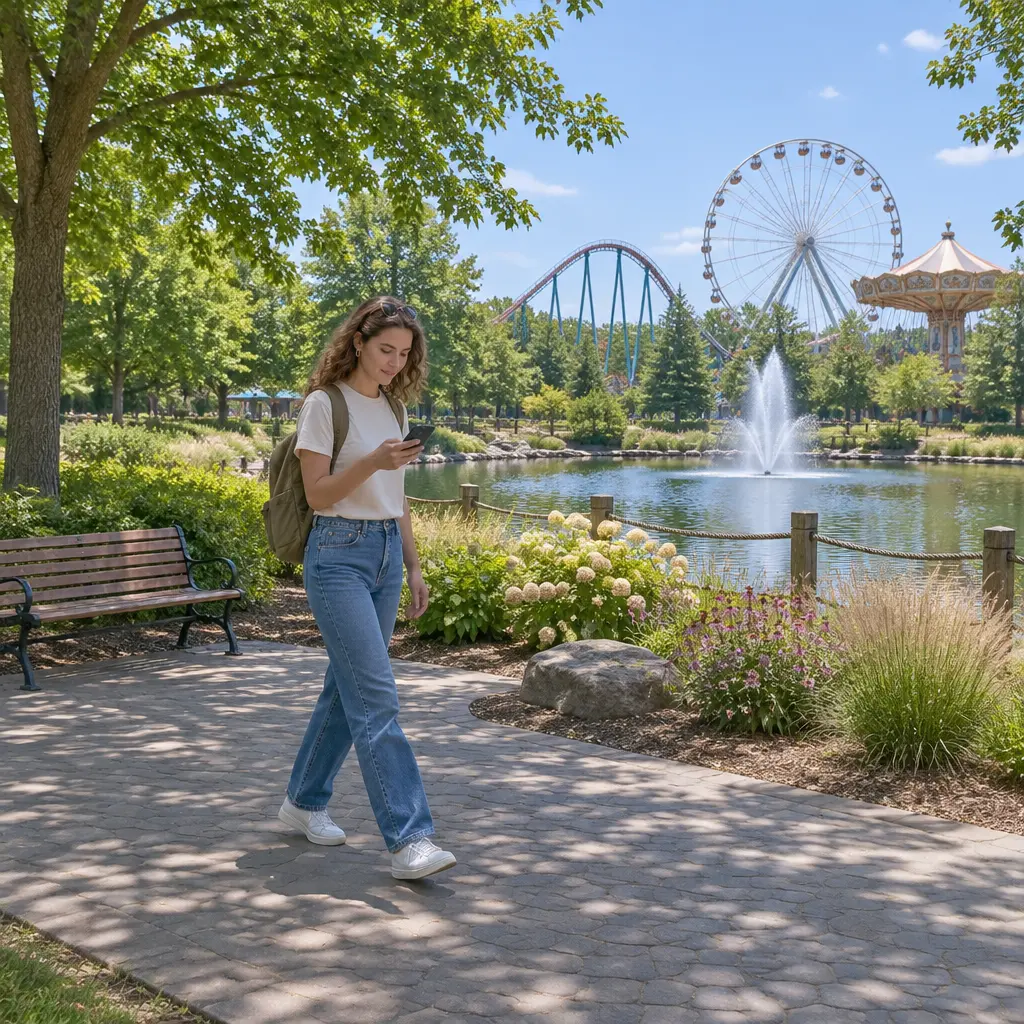
Outdoor leisure parks and theme parks: technology, sustainability, and changing visitor expectations through 2036
Outdoor leisure parks include public and privately operated places for recreation, while theme parks organize rides, attractions, and entertainment around a central concept. Over the next decade, both are likely to evolve toward more personalized, digitally connected, climate-resilient, and inclusive experiences. The opportunity is substantial: the Themed Entertainment Association (TEA) and AECOM reported that the 25 most-attended theme parks worldwide welcomed about 244 million visits in 2023, a 23% increase from 2022. That rebound highlights both the sector’s appeal and the pressure to manage capacity, labor, costs, and environmental impacts. The trends reshaping parks include hybrid physical-digital storytelling, data-led operations, sustainability, accessibility, new forms of entertainment, and more resilient business models.
Digital transformation is reshaping park experiences and operations
Digital transformation in parks is the integration of connected technologies into visitor services, attractions, and day-to-day management. It is not simply the addition of an app or virtual-reality ride: the defining shift is using technology to make the physical visit more responsive, convenient, and coherent. Parks are applying mobile platforms, reservation tools, sensors, analytics, and automation to reduce friction while supporting personalized experiences.
Mobile platforms and personalized visits
A park app can combine admission, reservations, maps, show schedules, food ordering, and accessibility information. When these functions work together, visitors can plan around their preferences and changing conditions rather than rely on a fixed itinerary. Mobile ordering and timed-entry systems can also help operators spread demand across locations and hours.
The challenge is to personalize without turning the visit into a screen-centered activity. Parks need clear privacy practices, usable alternatives for guests without smartphones, and reliable systems during peak demand. The International Association of Amusement Parks and Attractions (IAAPA) identifies technology and guest experience as important areas of industry development, while the TEA/AECOM attendance data illustrates the scale at which digital tools may need to function.
Immersive storytelling and hybrid attractions
Immersive attractions combine physical environments with narrative, projection, interactive media, or augmented and virtual reality. Their purpose is to make visitors participants in a story rather than passive spectators. Examples include interactive dark rides, location-based games, projection-mapped spaces, and experiences that connect a real-world attraction with content in a mobile app.
These formats can refresh an attraction through updated stories and software, but they still depend on strong design, dependable equipment, and compelling physical settings. The most durable approach is likely to use digital effects to enrich social, sensory, and place-based experiences—not to replace them. This blend also gives parks a way to serve visitors who want varied levels of activity, from high-intensity rides to exploratory play.
Data-led operations and responsible automation
Operational analytics use information such as queue times, ticket scans, ride status, staffing, and weather to guide decisions. Operators can use those signals to adjust staffing, maintenance windows, food production, and crowd communications. Automation may support routine tasks, including ticket validation and inventory monitoring, allowing employees to focus more on safety and guest assistance.
The benefits depend on data quality and governance. Parks should disclose how personal information is used, limit collection to a clear purpose, and plan for outages and cybersecurity incidents. In a safety-critical environment, automated recommendations should support—not replace—qualified staff and established inspection procedures.
Sustainability and climate resilience are becoming core park attributes
Sustainable park management means reducing environmental pressures while maintaining a safe and enjoyable visitor experience. Relevant areas include energy, water, transport, construction materials, food, waste, and biodiversity. Climate resilience adds the capacity to prepare for and recover from hazards such as extreme heat, drought, flooding, wildfire, and severe storms.
Water, energy, and waste management
Outdoor parks can require substantial water for landscaping, pools, cooling, sanitation, and food services. Measures such as efficient irrigation, native and drought-tolerant planting, leak detection, water reuse, and low-flow fixtures can reduce demand. Energy measures include efficient lighting and motors, building controls, solar generation, and electrification of vehicles and equipment.
Waste prevention is also moving beyond recycling bins. Reusable food-service packaging, refill stations, careful purchasing, food-waste measurement, and composting can address waste at its source. The U.S. Environmental Protection Agency’s waste-management framework prioritizes source reduction and reuse ahead of recycling and disposal, a hierarchy that parks can apply to high-volume food and event operations.
Heat adaptation and resilient design
Climate-resilient design reduces exposure to hazards and helps attractions remain operational under changing conditions. Practical measures include shade structures, tree canopy, cool surfaces, heat-alert protocols, indoor rest areas, stormwater capture, flood-aware site planning, and backup power for critical systems. Heat plans should include staff protections as well as visitor hydration and medical response.
The World Meteorological Organization reported that 2023 was the warmest year in the observational record at that time, with global mean near-surface temperature about 1.45°C above the 1850–1900 average. A single global statistic does not predict conditions at any particular park, but it reinforces the need for local hazard assessments and adaptation plans. Parks should use regional climate and emergency-management data to guide investment rather than assume historical weather patterns will continue.
Nature-positive landscapes and conservation
Nature-positive park design aims to protect or restore ecological value while supporting recreation. It can include native planting, habitat corridors, pollinator gardens, dark-sky lighting, shoreline restoration, and interpretation that helps visitors understand local ecosystems. In public parks, these measures can make conservation part of the visitor experience; in theme parks, they can also shape landscape identity and provide cooler, more comfortable settings.
The National Recreation and Park Association (NRPA) describes parks as contributors to health, community, and environmental benefits. Connecting those benefits to measurable indicators—such as tree canopy, water use, habitat area, and waste per visitor—helps operators move from general sustainability claims to trackable performance.
Visitor expectations are broadening around access, wellness, and belonging
Visitor expectations describe the practical, emotional, and social conditions people consider when deciding whether and how to visit. In the coming decade, parks will increasingly be judged not only on headline attractions but also on affordability, comfort, accessibility, cultural relevance, and the quality of time spent together.
Accessibility and inclusive experience design
Inclusive design makes environments and services usable by people with different mobility, sensory, cognitive, and communication needs. Parks can support this through step-free routes, clear wayfinding, quiet spaces, sensory guides, accessible restrooms, companion policies, and accurate ride information. Staff training and consultation with disabled visitors are essential because access depends on the whole journey, from transport and ticketing to food and emergency procedures.
The U.S. Centers for Disease Control and Prevention estimates that more than one in four adults in the United States has some form of disability. That figure is a reminder that accessibility is central to market reach and public service, not a niche add-on. Operators should audit both physical infrastructure and digital interfaces and publish practical information before visitors arrive.
Wellness, comfort, and multigenerational recreation
Wellness-oriented park experiences include walking trails, gardens, water play, outdoor fitness, shaded seating, and quiet places to rest. These offerings complement, rather than compete with, rides and major attractions. They can also make a visit more manageable for families, older adults, and guests who prefer lower-intensity activities.
The National Recreation and Park Association’s research on parks and recreation links access to parks with physical activity and community well-being. For operators, the implication is to design a range of experiences and pacing options, with clear routes between high-energy attractions and restorative spaces.
Affordability and transparent value
Affordability concerns the full cost of a visit, not just the advertised ticket price. Transportation, parking, food, lodging, and add-on fees can shape whether a trip feels worthwhile. Parks may respond with off-peak pricing, resident programs, family bundles, clear fee disclosures, and affordable food choices, while ensuring that discount structures are understandable and fair.
Public parks face a related equity question: whether nearby communities can reach and use facilities safely. The NRPA’s ParkScore analysis assesses access to parks among other measures, offering cities a way to examine distribution and service gaps. Theme parks can apply similar thinking by evaluating travel access, pricing barriers, and the range of experiences available at different price points.
New entertainment formats are extending the park visit
Entertainment diversification is the expansion of a park’s offer beyond conventional rides or passive recreation. It includes live events, seasonal programming, sports and adventure activities, educational experiences, dining, and accommodation. Diversification helps parks appeal to different audiences and create reasons to return throughout the year.
Seasonal events and after-hours programming
Seasonal festivals, night events, concerts, and food experiences can give familiar sites a different identity at different times of year. These programs can use existing infrastructure more intensively and encourage repeat visits. Their success depends on operational planning: staffing, crowd flow, noise management, transport, and weather contingencies must be addressed alongside programming.
The TEA and AECOM attendance reports show the scale of demand at major theme parks, but attendance alone does not establish profitability or visitor satisfaction. Operators should evaluate event performance using measures such as repeat attendance, dwell time, guest feedback, local impact, and cost per visitor.
Adventure, education, and participatory recreation
Participatory experiences ask visitors to do something—solve a challenge, learn a skill, explore a habitat, or take part in a performance. Examples include ropes courses, climbing, nature interpretation, maker activities, interactive exhibits, and guided outdoor programs. These formats can broaden appeal beyond thrill rides and provide educational value when learning goals are designed into the experience.
Outdoor leisure parks are especially well positioned to combine recreation with local ecology and heritage. Partnerships with schools, cultural organizations, and conservation groups can improve program quality and build stronger community ties, provided that interpretation is accurate and local communities have a meaningful role in shaping it.
Resorts, lodging, and destination ecosystems
A destination ecosystem links a park with lodging, dining, transport, retail, and nearby attractions. This model can turn a day visit into a multi-day trip and distribute spending across a wider area. It also raises the importance of coordinated wayfinding, transport links, accessible accommodation, and partnerships with local businesses.
Growth should be balanced with community impacts, including traffic, housing pressure, water demand, and seasonal employment. Destination planning is strongest when parks share forecasts and infrastructure plans with local governments and residents rather than treating the attraction boundary as the limit of responsibility.
Workforce, safety, and financial resilience will determine execution
Park resilience is the ability to maintain safe, reliable operations and adapt to financial, labor, technological, and environmental change. New attractions can attract attention, but sustained performance depends on trained employees, preventive maintenance, emergency readiness, and a business model able to withstand disruption.
Workforce development and employee experience
The park workforce includes ride operators, horticulture and maintenance teams, food-service employees, performers, guest-service staff, security, and managers. Increasingly technical systems create demand for skills in controls, data, cybersecurity, and energy management, while service quality still depends on communication and judgment.
Training, career pathways, predictable scheduling, and safe working conditions support retention and operational consistency. The U.S. Bureau of Labor Statistics’ Occupational Outlook Handbook identifies amusement and recreation attendants as an employment category, but local staffing needs vary widely by season and attraction type. Operators should use workforce planning that accounts for peak periods, heat exposure, accessible service, and emergency response.
Safety, maintenance, and emergency readiness
Safety management combines equipment inspection, preventive maintenance, employee competency, clear procedures, and incident learning. Digital monitoring can help identify abnormal operating conditions, but it does not remove the need for inspection, documentation, and qualified human oversight. Emergency planning should cover medical incidents, severe weather, power loss, evacuations, and communications with local responders.
The U.S. Consumer Product Safety Commission publishes reports on amusement ride injuries and safety. Such national data provide context, but they cannot substitute for an individual operator’s maintenance records, risk assessments, and compliance with applicable state and local rules. Transparent safety communication is also part of visitor trust.
Capital discipline and adaptable investment
Capital resilience means choosing investments that deliver long-term value under changing demand and operating conditions. A large new attraction may generate attention, while smaller investments in shade, accessible routes, efficient utilities, maintenance systems, and staff facilities can improve the experience across the whole site. Scenario planning can test projects against different attendance, energy, labor, and climate assumptions.
Operators should measure outcomes as well as openings: utilization, visitor satisfaction, operating cost, energy and water intensity, accessibility improvements, and maintenance performance. A balanced investment portfolio reduces dependence on a single high-cost attraction and can make the park more adaptable when visitor preferences or external conditions shift.
Conclusion: parks will compete through connected, resilient experiences
The trends reshaping outdoor leisure parks and theme parks over the next decade are interconnected. Digital transformation can improve planning and operations; sustainability and climate resilience protect both the visitor experience and the site; inclusive design and affordability broaden participation; diversified programming encourages repeat visits; and workforce, safety, and financial resilience make innovation dependable. The TEA/AECOM report of roughly 244 million visits to the world’s 25 most-attended parks in 2023 demonstrates the sector’s reach, while climate and accessibility data underline the need to grow responsibly.
Park leaders can act now by auditing visitor access, climate exposure, water and energy use, workforce capabilities, and digital privacy; setting measurable targets; and involving employees, visitors, and local communities in planning. Further reading should include the latest TEA/AECOM attendance report, NRPA research, and relevant local climate and accessibility guidance.
Sources: Themed Entertainment Association and AECOM, 2023 Theme Index and Museum Index: The Global Attractions Attendance Report, https://www.teaconnect.org/tea-theme-index/; International Association of Amusement Parks and Attractions, Industry Resources, https://iaapa.org/; U.S. Environmental Protection Agency, Sustainable Materials Management: Non-Hazardous Materials and Waste Management Hierarchy, https://www.epa.gov/smm/sustainable-materials-management-non-hazardous-materials-and-waste-management-hierarchy; World Meteorological Organization, State of the Global Climate 2023, https://wmo.int/publication-series/state-of-global-climate-2023; National Recreation and Park Association, Research, https://www.nrpa.org/publications-research/; Centers for Disease Control and Prevention, Disability Impacts All of Us, https://www.cdc.gov/disability-and-health/; National Recreation and Park Association, ParkScore, https://www.nrpa.org/our-work/partnerships/initiatives/10-minute-walk/parkscore/; U.S. Bureau of Labor Statistics, Occupational Outlook Handbook: Amusement and Recreation Attendants, https://www.bls.gov/ooh/personal-care-and-service/amusement-and-recreation-attendants.htm; U.S. Consumer Product Safety Commission, Amusement Ride Safety, https://www.cpsc.gov/Safety-Education/Safety-Education-Centers/Amusement-Ride-Safety