
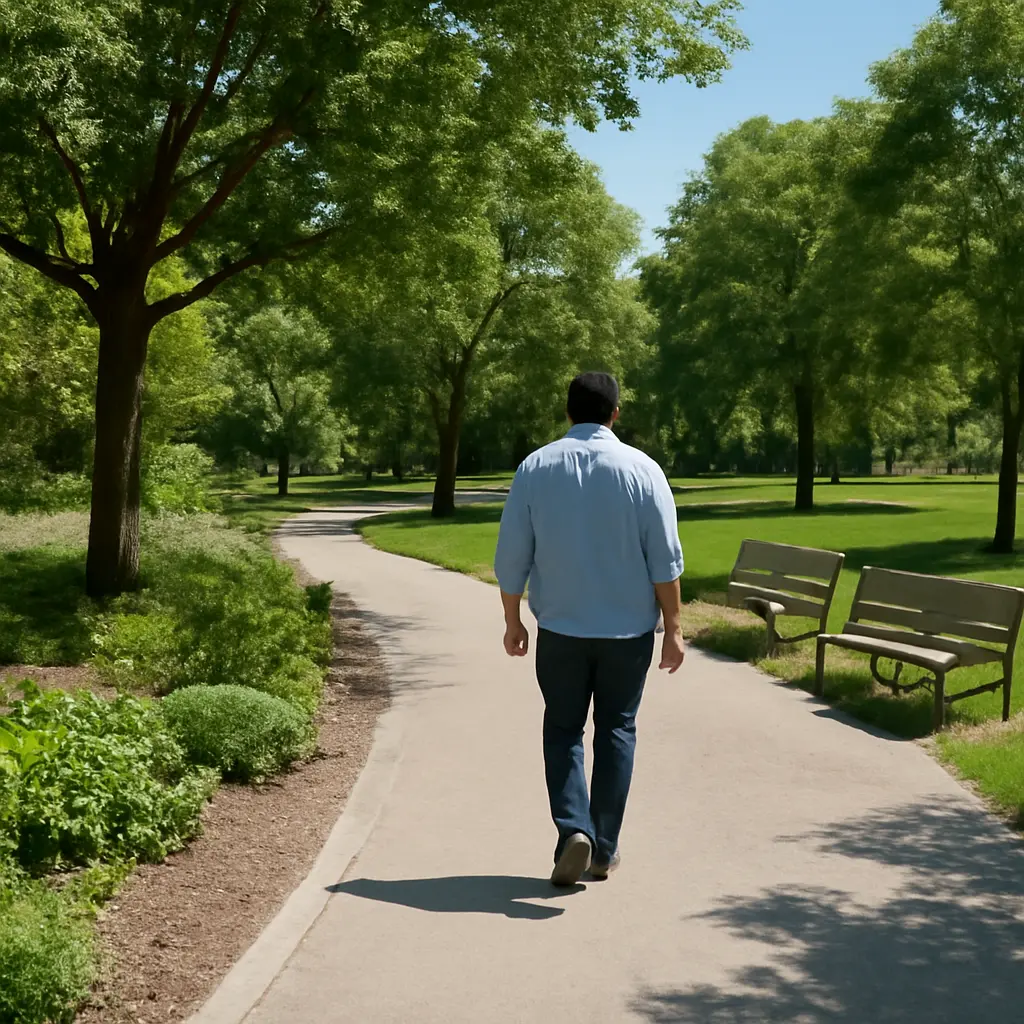
Leisure parks are places designed for recreation, entertainment, and time outdoors; their emerging direction is quieter and more intentional, with less emphasis on constant stimulation and more on nature, comfort, accessibility, and meaningful experiences. The shift is visible in parks that add restorative landscapes, low-noise activities, and flexible spaces rather than simply expanding attractions. It matters as cities grow and demand for green space rises: the United Nations projects that 68% of the world’s population will live in urban areas by 2050, while the World Health Organization identifies access to green and blue spaces as a potential support for health and well-being. This article explains what quieter leisure parks mean, how their design and programming are changing, and what practical examples and evidence can guide the next generation of park planning.
Quieter leisure parks prioritize intentional recreation
A quieter leisure park is a public or privately operated recreational landscape designed to balance activity with calm, sensory comfort, and time in nature. “Quieter” does not necessarily mean silent or empty. It means managing noise, crowding, and stimulation so visitors can choose between social activity and restorative retreat. The National Recreation and Park Association describes parks and recreation as essential infrastructure for communities, while the WHO’s review of urban green-space evidence connects accessible green environments with opportunities for physical activity, stress reduction, and social interaction.
This is a design and operations approach rather than a single official park classification. Its characteristics can include planted buffers, shaded seating, clear wayfinding, nature-based play, accessible paths, limited amplified sound, and a range of spaces for different levels of activity. The approach responds to competing demands: parks must support events and recreation while remaining welcoming to visitors seeking a slower pace. That balance leads to several related park types and design strategies.
Restorative green spaces
Restorative green spaces are areas arranged to encourage unhurried contact with nature, such as gardens, woodland paths, wetlands, and quiet lawns. They may include visual access to vegetation, places to sit, and routes that invite walking without requiring strenuous activity. In its 2016 review of urban green spaces and health, the WHO Regional Office for Europe reported evidence linking green-space access with benefits that include psychological restoration and opportunities for physical activity, while noting that outcomes depend on access, quality, and local context.
The design implication is practical: a park needs more than greenery on a map. Visitors benefit when paths, entrances, seating, shade, and maintenance make nature usable across ages and abilities. Planting can also create visual and acoustic separation between busy play areas and quieter zones.
Low-stimulation and sensory-friendly areas
A low-stimulation area reduces avoidable sensory pressure through calmer sound levels, uncluttered layouts, predictable routes, and places to pause. Sensory-friendly provision can help visitors who experience sensory overload, including some autistic people, but it can also benefit older adults, families with young children, and anyone seeking respite from crowds. The CDC estimates that about 1 in 31 children aged 8 in the United States was identified with autism in 2022; this figure underscores why inclusive environments deserve attention, without implying that all autistic visitors have the same sensory preferences.
Useful features include quiet-hour schedules, clear information about busy periods, accessible toilets, seating near—not inside—high-energy play, and staff training. These are options rather than universal prescriptions: consultation with disabled visitors and local communities is essential because sensory needs vary.
Nature-based play and gentle recreation
Nature-based play uses natural materials and landscape features—such as logs, water, sand, planting, and uneven terrain—to support exploration and physical activity. Gentle recreation includes activities like walking, birdwatching, gardening, outdoor reading, and low-impact exercise. These experiences broaden a park’s offer beyond high-intensity rides, sports, or programmed events, while still giving visitors reasons to return.
The distinction is not between active and inactive parks. Rather, an intentional park offers varied intensity in a coherent setting: a lively play area can coexist with a shaded loop or quiet garden when routes, planting, and sound management reduce conflict between uses.
Park design translates quiet intentions into everyday experience
Design determines whether a park’s promise of calm is experienced on the ground. The U.S. Environmental Protection Agency explains that vegetation and other natural features can help reduce noise exposure, though performance depends on the source, distance, terrain, and barrier design. In practice, park planners combine landscape, circulation, and operational decisions rather than relying on a single “quiet” feature.
Sound-aware layouts and planting
Sound-aware planning places louder uses—such as courts, event lawns, or mechanical equipment—away from contemplative areas where possible. Landforms, dense planting, walls, and buildings can help screen sound, while seating and paths can be positioned to avoid traffic-facing edges. Planting alone should not be presented as a guaranteed soundproof barrier; its value often includes visual separation, habitat, shade, and a more comfortable perception of space.
Operational rules matter too. Limiting amplified music, setting event hours, and monitoring noise complaints can make a design strategy effective over time. A park can publish event calendars and quieter routes so visitors can choose experiences that fit their preferences.
Universal access, shade, and places to pause
An intentional park is accessible not only at its entrance but throughout its experience. Continuous paths, rest points, legible signs, accessible play elements, and seating with space for mobility devices help more people use the landscape. Shade and drinking water are also important, especially during hot weather. The U.S. Access Board’s accessibility standards provide requirements for elements such as accessible routes and recreation facilities; park teams should apply relevant standards alongside community consultation and local codes.
Small choices can change how long visitors are able to stay. A bench at a turning point, a shaded waiting area near a playground, or a clear route between transit and a garden can make a quiet experience feasible for people who might otherwise leave early.
Biodiversity and climate resilience
Biodiverse parks use locally appropriate planting and habitat features to support ecological functions as well as human enjoyment. Trees and vegetation can provide shade, absorb stormwater, and create habitat, while wetlands and rain gardens can help manage runoff. The U.S. Environmental Protection Agency notes that green infrastructure can capture and filter stormwater close to where it falls. These ecological benefits reinforce the quieter-park model by making landscapes more comfortable and resilient, although projects need maintenance plans and species suited to local conditions.
Programming makes leisure parks more intentional
A park’s character is shaped as much by its schedule as by its physical layout. Intentional programming offers activities with different social and sensory demands, and gives visitors meaningful choices rather than treating attendance or spectacle as the sole measure of success.
Quiet hours and flexible schedules
Quiet hours are designated periods when amplified sound, organized activities, or other high-stimulation features are reduced. They can make parks more predictable for visitors who prefer lower sensory intensity and can spread use across the day. Parks may also designate quiet routes or zones without restricting access to the rest of the site.
Clear communication is critical: publish schedules, explain which amenities remain open, and review attendance and feedback. Quiet hours should be developed with visitors and operators, rather than imposed as a one-size-fits-all rule.
Small-scale events and participatory activities
Small-scale programming—such as guided nature walks, outdoor reading, community gardening, craft workshops, or acoustic performances—can create shared experiences without the footprint of a major event. It also gives local groups opportunities to shape how a park is used. Programming should consider cost, language access, transportation, disability access, and the needs of nearby residents.
Measuring quality beyond attendance
Attendance remains useful, but it does not reveal whether a park feels safe, comfortable, accessible, or restorative. Managers can pair visitor counts with surveys, sound measurements, dwell time, access audits, maintenance records, and feedback from nearby communities. The NRPA’s annual Park Metrics and agency benchmarking resources illustrate how park systems use operational and service measures; local evaluation should also include qualitative evidence because a single metric cannot capture the full experience.
Real-world examples show how parks can balance activity and calm
Existing parks offer useful lessons, although no single project is a complete template. Successful examples combine distinctive landscapes with access, stewardship, and a program appropriate to their location.
The High Line, New York City
The High Line is an elevated public park built on a former rail structure in Manhattan. Its planted route, seating, art, and changing views demonstrate how a linear landscape can offer a slower alternative to surrounding streets while remaining an active urban destination. It also illustrates a limitation: popularity can bring crowding. Reservations or timed access during exceptionally busy periods, visitor guidance, and continued attention to nearby neighborhood impacts are part of managing a celebrated public space.
The Gardens by the Bay, Singapore
Gardens by the Bay combines horticultural displays, outdoor gardens, and major visitor attractions in a dense city. Its different experiences—from open gardens to ticketed conservatories—show how a destination can offer varied levels of activity and immersion. The broader lesson is to make choices legible: visitors should be able to understand which areas are lively, which are more contemplative, and what access or cost each experience involves.
The Cheonggyecheon stream restoration, Seoul
The Cheonggyecheon project restored an urban stream corridor beneath a former elevated highway, creating a public route with water, planting, and places to walk. It demonstrates how infrastructure investment can add a more nature-oriented public realm to a dense city. Its experience also points to the need for ongoing maintenance, water management, and consideration of how public-space improvements affect surrounding neighborhoods.
Planning quieter leisure parks requires community evidence
A quieter park should not become a code word for excluding young people, informal gatherings, or culturally important activity. The goal is not to suppress public life but to accommodate different ways of using shared space. Planning therefore begins with listening: map existing uses, invite residents and park users to identify barriers, and include disabled people, children, older adults, and nearby communities in design decisions.
Implementation can proceed in stages: identify conflicts and unmet needs; test temporary changes such as seating, signs, or event schedules; evaluate results; and then invest in durable improvements. This approach helps agencies distinguish genuine demand for calm from assumptions about what visitors want, while making room for both energetic recreation and restorative experiences.
Conclusion: quieter leisure parks expand the meaning of recreation
Quieter leisure parks are not simply parks with less noise. They are intentionally designed and managed places that combine restorative green space, sensory-aware options, accessible amenities, nature-based play, and a thoughtful program of activity. Evidence from public-health and environmental agencies supports the value of green space, while examples such as the High Line, Gardens by the Bay, and Cheonggyecheon show different ways to layer calm into busy urban settings.
As urban populations grow, park systems should assess more than visitor totals: they should ask who can use a space, how it feels, and whether it supports both community life and personal respite. Park agencies, designers, and residents can start by auditing access and sound, testing low-cost changes, and sharing results. Further reading from the WHO, NRPA, EPA, and local park agencies can help translate these principles into place-specific action.
Sources: United Nations Department of Economic and Social Affairs, World Urbanization Prospects: The 2018 Revision, https://population.un.org/wup/; World Health Organization Regional Office for Europe, Urban green spaces and health: a review of evidence, 2016, https://www.who.int/europe/publications/i/item/WHO-EURO-2016-3352-43111-60341; National Recreation and Park Association, About Parks and Recreation, https://www.nrpa.org/about-national-recreation-and-park-association/; Centers for Disease Control and Prevention, Prevalence and Early Identification of Autism Spectrum Disorder Among Children Aged 4 and 8 Years—Autism and Developmental Disabilities Monitoring Network, 16 Sites, United States, 2022, https://www.cdc.gov/mmwr/volumes/74/ss/ss7402a1.htm; U.S. Environmental Protection Agency, Noise Pollution, https://www.epa.gov/clean-air-act-overview/clean-air-act-title-iv-noise-pollution; U.S. Access Board, Guide to the ADA Accessibility Standards, https://www.access-board.gov/ada/guides/; U.S. Environmental Protection Agency, Green Infrastructure, https://www.epa.gov/green-infrastructure; National Recreation and Park Association, Park Metrics, https://www.nrpa.org/publications-research/ParkMetrics/; The High Line, About the High Line, https://www.thehighline.org/about/; Gardens by the Bay, About Us, https://www.gardensbythebay.com.sg/en/about-us.html; Seoul Metropolitan Government, Cheonggyecheon Stream, https://english.seoul.go.kr/service/amusement/cheonggyecheon/